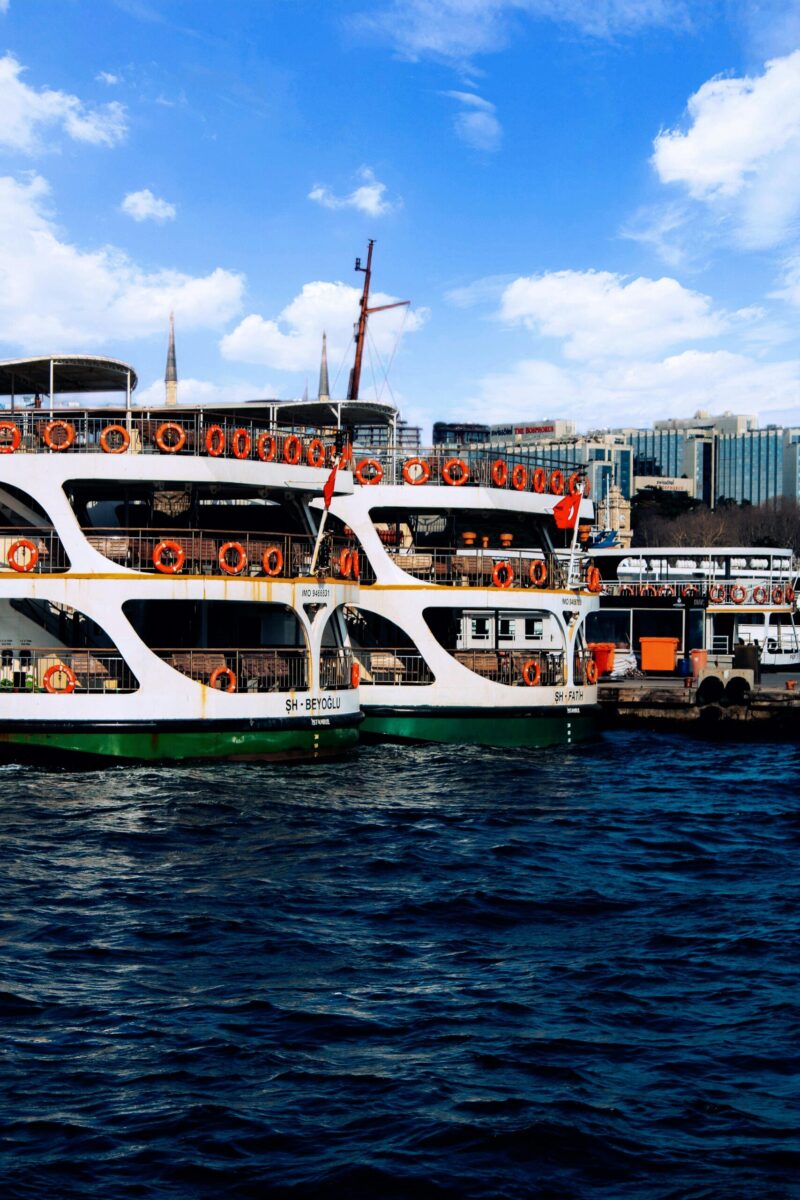
You don’t go from Vigo to Cangas just to move from A to B. You cross the Ría de Vigo to swap busy city streets for fishing boats, granite alleys, and seafood that tastes like it was pulled from the water just for you.
The Vigo to Cangas ferry is more than a commute. It’s how locals get to work, how families reach the beach, and how food lovers like you end up at some of the best marisquerías in Galicia. In 20–25 minutes, you glide past islands, watch the port shrink behind you, and sail straight toward one of the most authentic small towns on the ría.
If you’re planning to eat your way through Galicia, or just want the most scenic “bus ride” of your trip, this guide walks you through exactly how to use the Vigo–Cangas ferry, what to expect onboard, and where to find the freshest seafood once you arrive.
Why The Vigo–Cangas Ferry Is The Heartbeat Of The Ría De Vigo
The Vigo to Cangas ferry is one of those routes that quietly defines daily life while most visitors overlook it. You feel it the moment you step onto the pier at Vigo’s Estación Marítima: students with backpacks, office workers with coffee, older neighbors greeting the crew by name. This isn’t a tourist boat: you’re stepping into a routine that runs all year, in nearly all weather.
The crossing links Vigo, the largest city in Galicia, with Cangas do Morrazo, a smaller town on the opposite side of the bay. That 20–25 minute ride is a lifeline:
- Workers commute between Cangas and Vigo without ever touching the highway.
- Families use it to reach hospitals, universities, and shopping in Vigo.
- Locals and travelers head the other way toward quieter streets, beaches, and fishing ports.
Because of that, the Vigo–Cangas ferry runs frequently, is priced for everyday use, and stays reliable even outside peak season. And for you, that means you get a slice of Galician life instead of a packaged excursion.
There’s also a food angle to all this. Cangas is a serious fishing town. Boats go out into the ría and beyond, bringing back hake, octopus, mussels, clams, and more. The ferry is the natural bridge between Vigo’s city energy and Cangas’s seafood culture. You might start the day with coffee on Vigo’s waterfront and end it working your way through a platter of razor clams with the fishing boats you just sailed past resting a few meters away.
You’re not just going from Vigo to Cangas: you’re trading one side of Galician identity for the other, urban port city to traditional fishing town, on a route locals depend on every single day.
Planning Your Trip: Schedules, Tickets, And Costs
The good news: taking the Vigo to Cangas ferry is genuinely easy, even if you don’t speak Spanish or Galician. You just need to know when it runs, where to buy your ticket, and roughly what you’ll pay.
Where the ferry leaves from in Vigo
You catch the ferry at Vigo’s central waterfront, near the Estación Marítima (maritime station) and the port area sometimes signed as “Vigo” or “Vigo Guixar” for other transport. Look for signs for Cangas or Cangas – Moaña on the departure boards, and you’ll see small passenger ferries tied up along the pier. The walk from Vigo’s old town (Casco Vello) is short, about 5–10 minutes downhill.
Typical schedules
Timetables can change slightly by season and operator, but you can usually expect:
- Early morning start: ferries from around 7:00–7:30 a.m. on weekdays.
- Frequent departures: roughly every 30–45 minutes during the day between Vigo and Cangas.
- Evening service: crossings typically run into the evening, often until around 9:00–10:00 p.m., sometimes later in summer.
Summer and weekends often mean extra services, while very late-night crossings are rarer and more seasonal. Before you go, it’s worth checking “Vigo Cangas ferry horarios” online: current schedules are usually easy to find and clearly laid out.
Tickets and how to buy them
You don’t need to book the Vigo–Cangas ferry days in advance. This is a commuter service, so you can usually just turn up and buy:
- At the ticket office: small booths at the Vigo and Cangas terminals sell one-way or return tickets. You just ask for “ida y vuelta Cangas” (round trip to Cangas) or “solo ida” (one way).
- On apps or websites: some operators sell e-tickets that you can show on your phone. Handy if you like to have everything settled before you leave your hotel.
If you’re planning multiple crossings over several days (say, you’re staying in Cangas and visiting Vigo often), check if there are multi-trip passes or commuter cards, locals use these to reduce the cost per journey.
How much it costs
Prices are designed for everyday use, not as a tourist markup. Expect something in the range of a few euros per person, per way, usually cheaper than a taxi and not much more than a local bus.
You don’t need a reservation for standard crossings, and boats rarely fill up to the point of turning people away. That said, on summer weekends and during festivals, it’s smart to arrive a bit early for the ferry you want, just in case everyone else has the same idea about seafood and beaches.
The bottom line: treat the Vigo to Cangas ferry like a bus across the water, simple, frequent, and flexible enough to fit around whatever seafood itinerary you’re building.
What To Expect On Board: Views, Comfort, And Local Vibe
Once you’re through the ticket check and down the gangway, things move quickly. You step onto a low, sturdy passenger boat built for short hops rather than luxury cruising, and that’s exactly what keeps it authentic.
Seating and comfort
You’ll usually find a mix of enclosed indoor seating and sometimes an open or semi-open deck area. If the wind isn’t too strong, head outside for the crossing: the views over the Ría de Vigo are what make this ride special.
Inside, expect basic, functional seats. No assigned spots, so you just sit wherever you like. The journey is short, around 20–25 minutes, so you don’t need to worry about amenities. There’s no restaurant: at most you might find a small vending machine or nothing at all, so grab water or coffee before you board if you want something in hand.
The views across the ría
This is where the Vigo to Cangas ferry really earns its place on your itinerary. As you leave Vigo, you get a great angle on the city’s waterfront, with cranes, port buildings, and the old town rising behind. Out on the water, you’ll glide past mussel platforms, bateas, dotting the ría, with seabirds circling overhead.
On clear days you may see the outline of the Cíes Islands further out, guarding the mouth of the estuary. It’s a reminder that you’re traveling through one of Spain’s most productive, and most beautiful, seafood regions.
The local vibe
Because the route is so local, you’ll share the boat with early-morning workers, students scrolling on their phones, families with shopping bags, and the odd visitor clutching a camera. Conversations are in Galician and Spanish, with the soft hum of people talking over the engine.
You don’t need to do anything special, just blend in, respect personal space, and keep your luggage out of the way. If you’re obviously unsure where to get off, crew are used to visitors and will point you in the right direction with a quick “Cangas, aquí.”
You’ll notice one other thing: the closer you get to Cangas, the more fishing and leisure boats you see moored offshore. It’s like a visual countdown to lunch.
Arriving In Cangas: From Ferry Pier To Fishing Port
Cangas doesn’t ease you in gently, you step straight out of the ferry terminal and into a town that still lives by the rhythm of the sea.
As you disembark, you’ll walk up onto the small Estación Marítima de Cangas, right on the waterfront. From here, everything you’re interested in is within easy walking distance:
- Turn one way and you’re facing the fishing port, with boats bobbing and fishermen working on nets.
- Turn the other way and you’re already on the promenade that runs along the bay, with views back toward Vigo.
Getting your bearings
The old town of Cangas lies just behind the waterfront, a short, gentle walk inland. You’ll quickly find narrow stone streets, traditional houses with balconies, and small squares where locals linger over coffee. There’s no need for public transport: the scale is human-sized.
If you’re here primarily to eat, you’ve chosen the right arrival point. Many of the best seafood restaurants and tapas bars sit a few minutes’ walk from the ferry terminal, clustered near the port and along the seafront. You can easily time your ferry so you arrive just before Spanish lunch hours really get going, anytime from 1:30 p.m. onward.
Market and port
If your timing is right, walk by the fish market area or simply stroll the docks. You may see boxes of fish being moved, ropes coiled, and boats coming or going depending on the hour and season.
This isn’t staged for visitors: it’s just the daily machinery that makes your seafood lunch possible. That direct, boat-to-table feeling is exactly why the Vigo to Cangas ferry is such a smart move for food-focused travelers, you’re eating where the supply chain basically begins.
Where To Eat In Cangas: Finding The Freshest Seafood
The main reason you’re crossing from Vigo to Cangas is probably on a plate. Or several plates.
Cangas has a strong reputation among locals and travelers for serving some of the freshest seafood in Galicia without the slightly higher prices you sometimes see in bigger cities or ultra-famous spots. You’re paying for what’s on the plate, not the postcard logo.
What to order
You don’t need a complicated strategy: stick to what the ría and nearby Atlantic waters do best and you’ll eat very well:
- Pulpo a la gallega (octopus): tender slices of octopus drizzled with olive oil, coarse salt, and paprika, usually served on a wooden plate.
- Zamburiñas or vieiras: small scallops or queen scallops, often grilled in their shells with a simple sauce.
- Navajas (razor clams): long, sweet clams quickly grilled with garlic and parsley.
- Almejas (clams): steamed a la marinera in a rich, garlicky sauce.
- Mejillones (mussels): often from local bateas you sailed past, served steamed, in escabeche, or in a tomato-based sauce.
- Whole grilled fish: ask what’s fresh that day, hake, sea bream, sea bass, or whatever came in from the boats.
Ask your server for recommendations “del día” and be ready to adapt: the strength of Cangas is that menus follow the catch.
How to pick a good place
You’ll find clusters of restaurants near the waterfront and port. A few quick ways to choose well:
- Look for places with a mix of locals and visitors, not only tourists.
- Check the seafood display, fish and shellfish should look bright, moist, and fresh, not tired.
- Avoid overly aggressive touts trying to drag you to a table: the best spots rarely need to beg.
Don’t be afraid of simple-looking interiors. In Galicia, some of the most memorable mariscadas (seafood feasts) come from modest dining rooms where the focus is entirely on the product.
Wine and pairing
You’re in prime Albariño territory. This crisp, fresh white wine from Rías Baixas is almost a default pairing with Galician seafood. If you see other local whites, Godello, Treixadura, those also work beautifully. Just ask for a “vino blanco de la zona” and you’ll rarely go wrong.
With that, you’ve essentially done what locals do: hop the Vigo to Cangas ferry, walk a few minutes off the pier, sit down at a simple table, and let the sea do the rest.
Making A Day Of It: Beaches, Walks, And Local Life Beyond Lunch
You could simply ferry over, eat, and head straight back to Vigo. But if you have the time, Cangas and the Morrazo peninsula give you an easy way to stretch your day into something more than a meal.
Beaches within reach
From the ferry terminal, you’re already close to small urban beaches, but a short walk or taxi ride opens up much better options. The coastline near Cangas is dotted with sheltered sandy coves and longer beaches, many with calm waters ideal for a post-lunch swim or a lazy afternoon.
On summer weekends, you’ll see families setting up umbrellas, teenagers playing beach volleyball, and older locals doing slow, deliberate laps in the sea. It’s relaxed, low-key, and a very Galician way to pass a Sunday.
Walking and wandering
If beaches aren’t your main aim, you can simply wander the old town streets, pop into small cafes, or follow the waterfront path as it curves around the bay. The town isn’t large, so you never feel lost, but there’s enough texture in the architecture and everyday life to keep a slow stroll interesting.
You might also notice local events, small fiestas, markets, or concerts, especially in summer. Keep an eye on posters or ask at a bar: Cangas has an active cultural calendar, including well-known traditional festivals.
Balancing your time with the ferry
Because the Vigo to Cangas ferry runs frequently, you can be flexible. Stay for a long sobremesa (the unhurried conversation after lunch), wander down to the port for one last look at the boats, then simply catch whichever crossing suits you.
If you’re returning at dusk on a clear day, you’re in for a bonus. The light on the water, with Vigo lighting up ahead of you, is one of those quiet travel moments you remember long after you’ve forgotten which exact mussels you ordered.
Practical Tips For A Smooth Vigo–Cangas Ferry Experience
A bit of planning makes the Vigo to Cangas ferry feel effortless. Keep these details in mind so you can focus on the food and views instead of logistics:
- Check the latest timetable the day before, especially in low season or on holidays, in case of reduced services.
- Arrive 10–15 minutes early, more if traveling at peak commuting times or on a sunny summer weekend.
- Bring a light layer, even in summer, the breeze on the ría can be surprisingly cool on deck.
- Have some cash on hand in case card payments are down at a ticket booth or in a small bar in Cangas.
- Wear comfortable shoes: you’ll likely be walking on uneven stone streets and along the port.
- Avoid very tight turnarounds with trains or flights leaving from Vigo: ferries are reliable, but the sea and schedules don’t always cooperate perfectly.
If you’re sensitive to motion, the crossing is usually calm inside the sheltered ría, but choose a seat toward the center of the boat and keep your eyes on the horizon.
Mostly, though, remember this: for locals, the Vigo–Cangas ferry is just how you get around. Treat it with the same relaxed attitude, give yourself a small buffer of time, and you’ll barely think about the logistics once you’re on board.
Conclusion
Taking the Vigo to Cangas ferry is one of those moves that quietly upgrades your Galicia trip. You’re not signing up for a big, choreographed excursion, you’re stepping into an everyday rhythm that happens to deliver you to exactly what you’re looking for: serious seafood, in a real fishing town, across a beautiful stretch of water.
In less than half an hour, you trade Vigo’s skyline for Cangas’s boats and stone streets. You sit down to plates of octopus, clams, and mussels that never traveled far, washed down with crisp local white wine, then wander along a waterfront that still works for a living.
If you use the Vigo–Cangas ferry as more than transport, as a small experience in itself, you get a snapshot of the Ría de Vigo at its best: practical, maritime, and quietly extraordinary. And you head back across the bay already thinking about when you can justify another lunch on the other side.
No responses yet