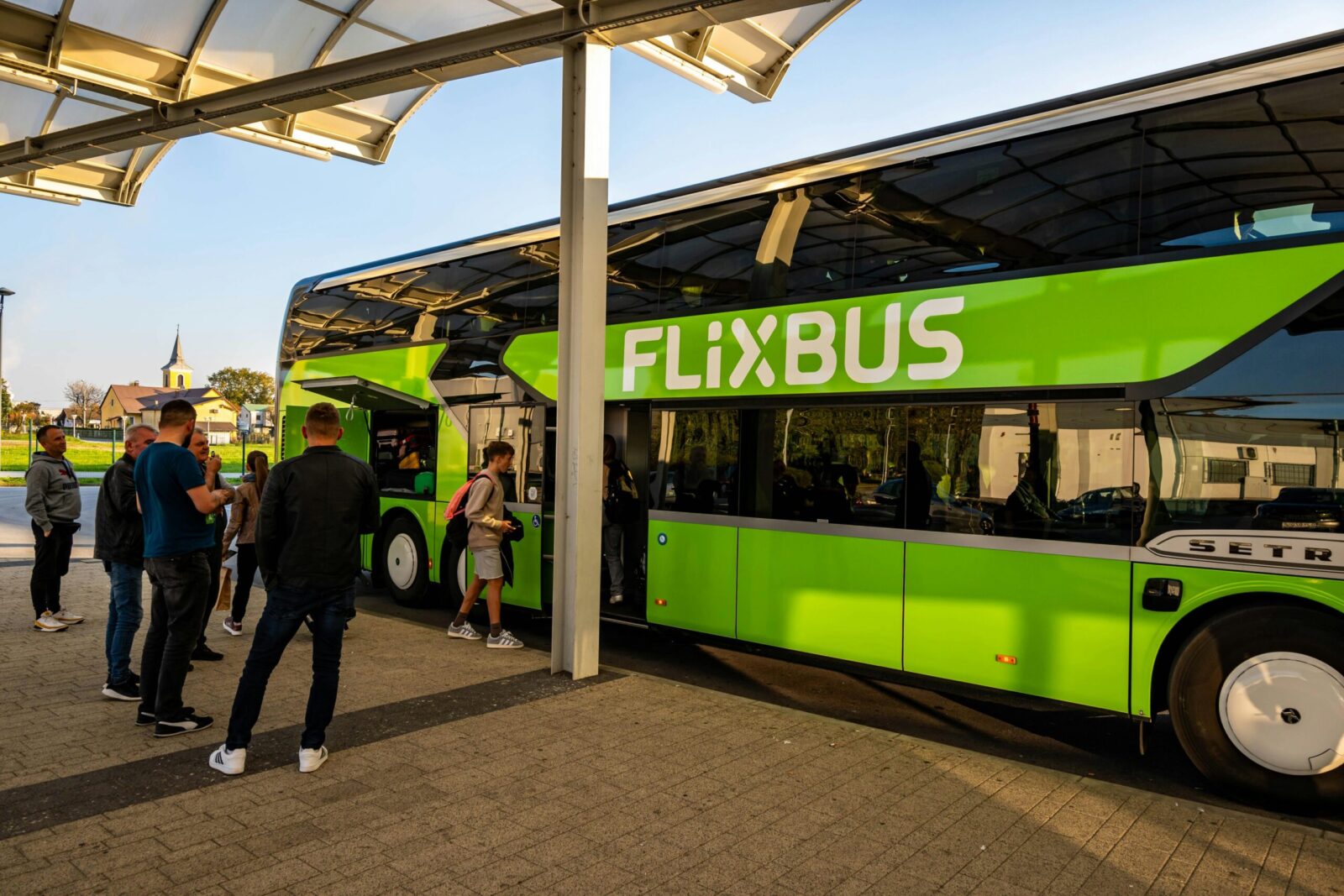
If you’re planning to travel from Vigo to Lisbon by bus, you’ve basically got two big names to choose from: FlixBus and Rede Expressos. Both will get you across the border without very costly, but they feel quite different once you’re actually on board.
You’re probably asking yourself: Which company is cheaper? Which one is more comfortable for a 6–8 hour ride? And which option makes the most sense if you’ve got a tight schedule or onward train/flight from Lisbon?
This guide walks you through Vigo–Lisbon by bus step by step, comparing FlixBus vs. Rede Expressos on price, comfort, schedules, and flexibility so you can book with confidence instead of guesswork.
Vigo–Lisbon By Bus At A Glance
Traveling from Vigo to Lisbon by bus is one of the most budget‑friendly ways to go from northern Spain to Portugal’s capital. There’s no direct high‑speed train between the two cities, and flights often involve a connection and airport hassle, so the bus usually wins on simplicity and cost.
Here’s what the trip typically looks like:
- Journey time: around 6.5–8 hours depending on route, traffic, and number of stops.
- Distance: roughly 450–500 km by road.
- Border checks: Spain and Portugal are both in Schengen, so there’s usually no formal passport check, though random inspections do happen.
- Comfort level: modern coaches with reclining seats, AC, toilets, and Wi‑Fi on most services.
FlixBus focuses on low fares, digital tickets, and pan‑European routes, while Rede Expressos is Portugal’s main national network with lots of connections once you reach the country. You’ll generally be choosing between a slightly cheaper, more “no‑frills but modern” FlixBus experience and a more traditional, domestic‑style coach with Rede Expressos.
Quick Comparison: FlixBus vs. Rede Expressos
When you compare FlixBus vs. Rede Expressos for Vigo–Lisbon, you’re really weighing three main things: price, comfort, and schedule.
FlixBus tends to:
- Offer some of the lowest headline prices, especially if you book well in advance or catch promotions.
- Use a strong app‑based system for tickets and updates.
- Run services that may be slightly longer with extra stops or nighttime departures.
Rede Expressos tends to:
- Charge mid‑range fares, not usually the very cheapest, but still good value.
- Feel more like a classic intercity coach with predictable service standards.
- Offer better integration with Portuguese domestic routes, which helps if you’re continuing beyond Lisbon.
For many travelers, the decision comes down to this: if you’re laser‑focused on the cheapest possible seat and you likemanaging everything from your phone, FlixBus is often the winner. If you value a bit more consistency, solid schedule options, and easier onward travel inside Portugal, Rede Expressos can be the safer bet.
Comfort And Onboard Experience
For a long ride like Vigo to Lisbon by bus, comfort really matters. Both companies use modern coaches, but the details, seats, Wi‑Fi performance, and general ride quality, can nudge you one way or the other.
Seat Comfort And Legroom
FlixBus usually operates newer, green‑branded buses or partner coaches, with slimline seats that look modern but can feel a bit firm after several hours. Legroom is generally decent for average‑height travelers, but if you’re tall you may find it tight, especially when the person in front reclines.
Rede Expressos coaches often feel more traditionally “cushy.” Seats are usually well‑padded, with good recline and footrests on many buses. The legroom can vary by vehicle, but on average it’s comparable to FlixBus, sometimes slightly better on newer units.
If you’re sensitive to seat comfort or you know you’ll want to sleep, Rede Expressos gets a slight edge. If price is your priority and you’re fine with a firmer seat for a few hours, FlixBus does the job.
Wi‑Fi, Power Outlets, And Entertainment
On most FlixBus journeys between Vigo and Lisbon, you’ll find:
- Wi‑Fi: Free, but speed and reliability vary. Good enough for messaging and light browsing, not great for streaming.
- Power outlets/USB: Usually one per seat or per pair of seats.
- Entertainment: No built‑in screens: you use your own device.
Rede Expressos offers:
- Wi‑Fi: Also free, with similar “it depends” performance. In Portugal it’s often stable, but cross‑border segments can be patchier.
- Power outlets/USB: Common on long‑distance coaches, though not absolutely guaranteed on the oldest buses.
- Entertainment: Some coaches have overhead screens, but you’ll still rely mostly on your own phone or tablet.
In practice, connectivity isn’t perfect with either company, so you shouldn’t plan to work online nonstop. Download playlists, podcasts, and maps before boarding.
Toilets, Cleanliness, And Overall Ride Quality
Both FlixBus and Rede Expressos provide a toilet on board, usually at the back. They’re functional but not spacious, so it’s smart to use station bathrooms before departure and during rest stops.
Cleanliness can vary more from individual bus to bus than from brand to brand. Morning departures tend to be cleaner: late‑day or overnight services sometimes feel a bit more worn in. Rede Expressos often scores slightly higher for overall tidiness and general “coach atmosphere,” while FlixBus can feel more crowded and informal, particularly on peak days.
Ride quality, smoothness, temperature, and noise, will depend a lot on road conditions and driving style. On this route, both companies travel similar highways, so there’s no huge difference, though Rede Expressos drivers are usually very experienced with Portuguese roads.
Luggage Allowance And Boarding Experience
On FlixBus, you typically get:
- 1 cabin bag and 1 checked bag included in the fare, within specified size/weight limits. Extra bags or oversize items may cost more.
- Self‑managed loading: you place your baggage in the hold, and the driver may check tags but it’s fairly relaxed.
On Rede Expressos:
- You usually also get 1 cabin bag + 1 checked bag included, with fees for extra or oversized luggage.
- The baggage process can feel a bit more structured, especially at busier stations in Portugal.
Boarding with FlixBus is often slightly more chaotic at curbside stops, particularly if the bus is busy or slightly late. Rede Expressos, using classic bus terminals, feels more orderly, with clearer boarding bays and waiting areas.
If you like a more organized station environment, Rede Expressos has the edge. If you’re flexible and used to casual boarding, FlixBus is fine, and often cheaper.
Prices, Fees, And Ticket Flexibility
Price is usually the first filter when you’re choosing how to go from Vigo to Lisbon by bus, but you also want to know how painful (or not) it is to change or cancel.
Typical Fares And How To Find The Best Price
For Vigo–Lisbon, you’ll typically see:
- FlixBus: promo fares starting around €15–€25 one way if you book early, with common prices in the €25–€35 range. Last‑minute seats can climb higher, especially on weekends and holidays.
- Rede Expressos: often in the €25–€40 range one way. You might not see rock‑bottom promos as often as with FlixBus, but prices are more stable and predictable.
To catch the best price on either:
- Book at least 1–2 weeks in advance for weekends or peak dates.
- Be flexible with departure time, early morning or late‑night rides can be cheaper.
- Check both the official Rede Expressos site/app and the FlixBus website/app, plus any reputable aggregators, to compare.
Change, Refund, And Cancellation Policies
FlixBus usually offers:
- Cheaper, more restrictive tickets that you can change for a fee or by buying a voucher, plus
- More flexible options at a slightly higher base fare.
Rede Expressos often provides:
- Tickets that can be changed for a moderate fee if you do it before departure time.
- Refund options that depend on fare type and how far in advance you cancel.
Policies do change, so when you book, you should always read the specific conditions on that ticket, not just assume based on past trips.
If flexibility matters, maybe you’re coordinating with a Camino, a flight, or a work schedule, you’re usually better off paying a bit more upfront for a flexible fare instead of gambling on a non‑refundable cheap seat.
Where And How To Book Safely
For FlixBus, the safest option is:
- The official FlixBus app or flixbus.com, where you’ll see live prices, seat availability, and any disruptions.
For Rede Expressos, your best options are:
- The Rede Expressos website or official app.
- Physical ticket counters at bus stations in Spain or Portugal (useful if you prefer to pay in cash or get human help).
Third‑party platforms can be handy to compare schedules, but stick to well‑known brands. Always:
- Double‑check departure and arrival stations.
- Make sure your name and travel date are correct before you hit pay.
- Save your confirmation email or QR code offline in case you lose signal at the station.
Schedules, Routes, And Travel Time
Even a comfy seat won’t help much if the timetable doesn’t work for you. On this route, FlixBus vs. Rede Expressos primarily differ in departure times, station locations, and connections.
Departure And Arrival Stations In Vigo And Lisbon
In Vigo, most long‑distance services use:
- Vigo Bus Station (Estación de Autobuses de Vigo) or nearby designated stops.
FlixBus sometimes uses curbside or secondary stops, so you must check your ticket carefully. Rede Expressos is more likely to use the main terminal structure.
In Lisbon, you’ll usually arrive at one of two big bus hubs:
- Lisboa Oriente: Great if you’re catching trains (including to Porto, Faro, or Spain) or the metro to the airport.
- Lisboa Sete Rios: Closer to the zoo area and with connections to regional buses and the metro.
FlixBus commonly terminates at Oriente, while Rede Expressos uses both Sete Rios and Oriente depending on the service. If you’ve got fixed onward plans, choose the company and departure that line up with the right Lisbon station.
Direct vs. Connecting Services And Border Checks
You may find direct Vigo–Lisbon buses on certain days or seasons, but quite a few options involve a connection in Porto or another Portuguese city.
- FlixBus often runs through‑services or easy same‑company connections, sometimes overnight or very early.
- Rede Expressos may involve a change of bus in Porto or another hub but keeps everything under the same ticket, which can be reassuring.
There’s normally no routine border control when crossing from Spain to Portugal by bus, but you should still carry a valid passport or ID card. Random checks by police or immigration officers do happen, and you don’t want to be the one person who can’t show documents.
Punctuality And Delays: What To Expect
On this route, delays usually come from traffic near major cities, roadworks, or busy departure days like summer weekends and holidays.
- FlixBus: Timetables can be optimistic. Delays of 15–30 minutes aren’t unusual, and occasionally more if there’s heavy traffic or earlier knock‑on delays.
- Rede Expressos: Generally pretty reliable within Portugal, but cross‑border legs can still be affected by the same traffic issues.
If you’ve got a tight onward connection in Lisbon, try to leave yourself at least 90 minutes of buffer, especially if your arrival is in the late afternoon when city traffic peaks.
Which Company Is Better For Your Travel Style?
There’s no one‑size‑fits‑all answer. The “best” company for Vigo to Lisbon by bus really depends on how you like to travel and what you value most.
Best Choice For Budget Travelers
If your top priority is saving money, FlixBus usually gives you the best shot at a rock‑bottom fare, especially if you:
- Book early.
- Are flexible with departure times.
- Don’t mind a slightly longer route or less structured boarding.
You trade a bit of predictability and sometimes comfort for lower prices. If that’s a trade‑off you’re happy to make, FlixBus is probably your go‑to.
Best Choice For Comfort Seekers And Families
If you’re traveling with kids, older relatives, or you simply hate feeling rushed and cramped, Rede Expressos is often the more comfortable pick:
- Traditional, comfortable seating and a more “calm coach” vibe.
- Clear station facilities at both ends of the trip.
- Solid integration with other Portuguese routes if you’re continuing on.
FlixBus can still work fine for families, but the more relaxed station environment and predictable setup of Rede Expressos can make the day smoother.
Best Choice For Tight Connections And Onward Travel
If you land in Lisbon and immediately need to connect to a train, regional bus, or even a flight, you should focus on:
- Arrival station: Oriente is best for trains and airport metro: Sete Rios is good for regional buses.
- Reliability and schedule padding: Rede Expressos tends to be a bit more conservative with schedules inside Portugal.
That said, if FlixBus drops you right at Oriente at a time that perfectly matches your train, it might still be the smarter choice. Look at your full door‑to‑door route, not just the Vigo–Lisbon leg in isolation.
Practical Tips For A Smooth Vigo–Lisbon Bus Trip
A few simple habits can make the difference between a long, tiring ride and a surprisingly pleasant one.
- Arrive early at the station. Aim for at least 20–30 minutes before departure, especially if you’re unfamiliar with the station layout or need to print a ticket.
- Double‑check your stop. FlixBus in particular can use different bays or curbside locations. Compare the stop name on your ticket with the one in your booking app.
- Bring snacks and water. There might be a service stop, but you can’t always count on long breaks or good options. Having your own food avoids scrambling at a crowded café.
- Dress in layers. Air‑conditioning can swing from chilly to warm. A light sweater or scarf makes a big difference.
- Download everything in advance. Tickets, maps, hotel details, music, and shows, Wi‑Fi can drop exactly when you need it most.
- Keep valuables with you. Put your passport, money, and electronics in a small bag you keep at your seat, not in the luggage hold.
- Know your Lisbon arrival plan. Check how to get from Oriente or Sete Rios to your accommodation or onward connection before you arrive, so you’re not stress‑scrolling at the station.
With these basics covered, the Vigo–Lisbon route feels much less like a grind and more like an easy, budget‑friendly overland journey.
Conclusion
When you zoom out, taking the bus from Vigo to Lisbon is one of the most straightforward and affordable ways to connect northern Spain with Portugal’s capital. You’re choosing between FlixBus, with its sharp prices and app‑first approach, and Rede Expressos, with its slightly more traditional comfort and strong domestic network.
If your main goal is to spend as little as possible and you’re fine with a no‑frills, sometimes busier experience, FlixBus is likely your best match. If you’d rather pay a bit more for steadier comfort, calmer stations, and smoother onward travel inside Portugal, lean toward Rede Expressos.
Either way, once you’ve booked a seat that fits your budget and style, you can sit back, watch the landscape change from Galicia to Portugal, and arrive in Lisbon ready to explore instead of exhausted from logistics.
No responses yet