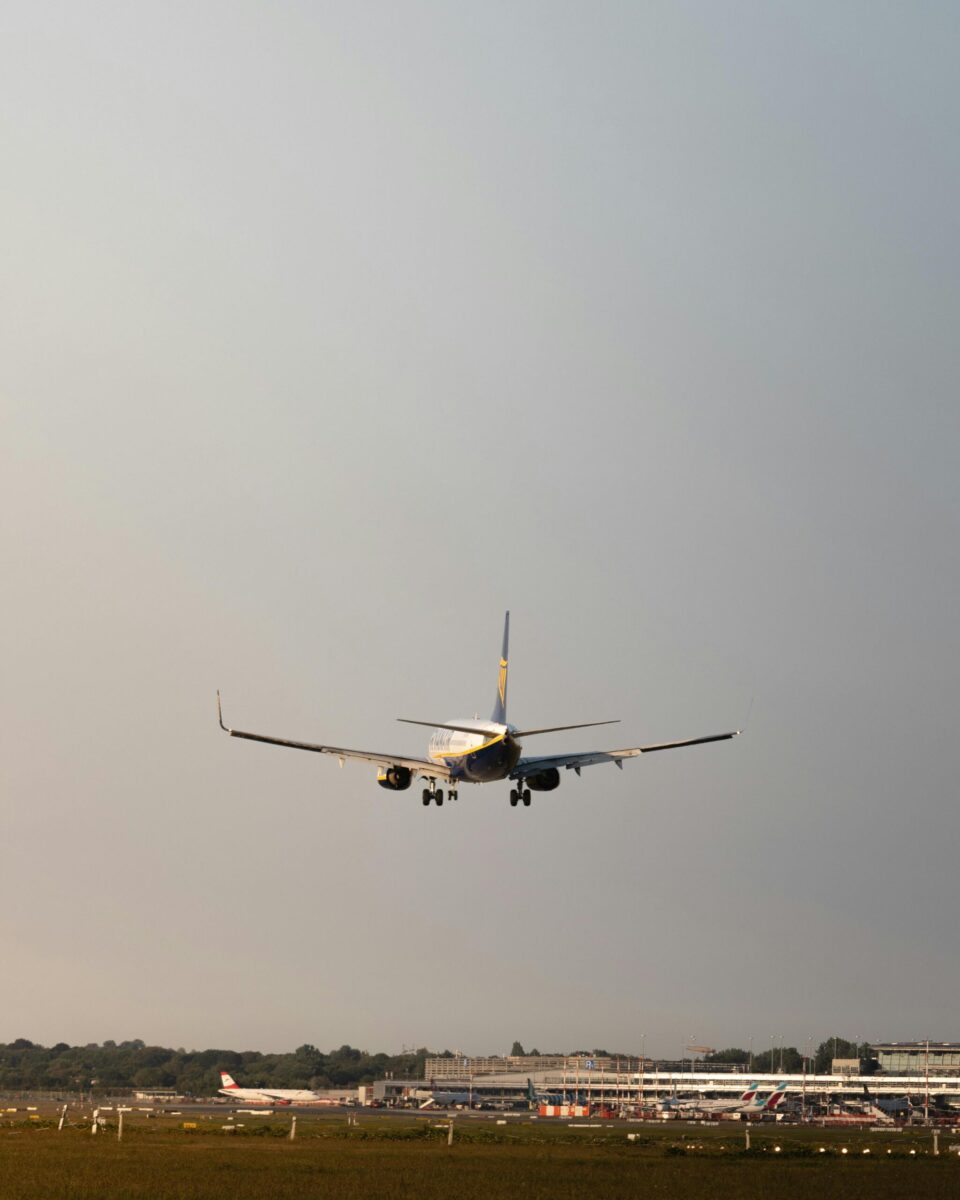
You probably already know that flying is bad for the climate, but it’s easy to underestimate just how outsized its impact really is.
In 2026, you’re living in a world where cleaner tech is finally scaling up, but aviation is still one of the hardest sectors to decarbonize. Electric cars are becoming normal, heat pumps are spreading, grids are (slowly) getting greener. Planes? They’re still burning vast amounts of fossil fuel at high altitude, and the demand for cheap, fast flights keeps rising.
That’s why flight-free travel is no longer a fringe idea. It’s one of the most powerful ways you can reduce your carbon footprint while still exploring the world, seeing friends and family, and taking real breaks. The goal isn’t to stop traveling: it’s to travel differently, smarter, slower, and with a lot more intention.
Here’s how flight-free travel fits into your life in 2026, why it matters so much for the climate, and how you can do it without feeling like you’re giving everything up.
What Makes Flying So Carbon Intensive Today
The Hidden Climate Cost Of Jet Engines
When you step onto a plane, you’re stepping into one of the most energy-hungry activities an individual can do. Jet fuel is incredibly dense, and modern planes are impressively efficient for what they are, yet the scale is the problem.
For a typical medium‑haul flight, your share of emissions can easily rival or exceed your emissions from driving for months. You’re moving a heavy metal tube, plus hundreds of people and bags, thousands of miles at nearly 600 mph. That takes an enormous amount of energy, and nearly all of it still comes from burning kerosene.
It’s not just the CO₂, either. At cruising altitude, planes create contrails and nitrogen oxides that amplify their warmingimpact. Climate scientists estimate that non‑CO₂ effects roughly double the overall warming from aviation compared to CO₂ alone. So when you see a “per passenger” emissions figure for your flight, the real climate impact is often significantly higher.
You also don’t have many practical alternatives once you’re on board. You can’t “eco‑drive” a jet, and you can’t choose to power it with renewables. You’re locked into the airline’s fuel choices and the physics of high‑speed long‑distance travel.
Why Offsetting Alone Is Not Enough In 2026
You’ve probably seen airlines nudging you to “offset” your flight for a few extra dollars. In 2026, that promise looks more and more shaky.
Carbon offset projects, like tree planting or forest protection, can help, but they’re notoriously difficult to verify. Trees can burn, projects can be mismanaged, and many offsets simply move deforestation pressure somewhere else. A growing body of research and real‑world audits has shown that a large share of offsets have overstated or even illusory climate benefits.
Meanwhile, aviation emissions are happening now, in the critical decade when global emissions need to fall steeply. Planting trees that might, and it’s a big might, absorb the same amount of carbon over decades doesn’t cancel out a ton of CO₂ you added this year.
In 2026, offsets can be a bonus, not a free pass. The most reliable way to reduce your aviation footprint is brutally simple: fly less, and replace flights with lower‑carbon travel whenever you can. That’s where flight-free travel comes in.
How Air Travel Emissions Compare To Your Other Choices
Comparing Trains, Buses, Cars, And Ferries
To understand why flight‑free travel is the future, you need a clear sense of how different modes compare.
Per passenger‑mile, flying is usually the most carbon intensive way to travel long distances, especially on short‑haul routes where takeoff and landing make up a bigger share of fuel burn. Modern high‑speed trains, on the other hand, can be remarkably low‑carbon, particularly in regions where the electricity grid is decarbonizing. In much of Europe and parts of Asia, traveling by train can cut your emissions by 80–90% compared to flying the same route.
Long‑distance buses and coaches, when reasonably full, are also emission‑efficient. They move many people in one vehicle at modest speeds, which keeps energy use per person low. Ferries vary more: slow, modern ferries on shorter routes can be quite efficient, but fast ferries and cruise ships can be very fuel intensive.
Cars sit in the middle. A solo driver in a conventional gasoline car isn’t doing much better than a short‑haul flight. But a small, fuel‑efficient or electric car with multiple passengers can be competitive with trains or buses.
Understanding Emissions Per Mile Versus Per Trip
There’s another nuance you need to keep in mind: emissions per mile and emissions per trip aren’t the same thing.
A short domestic flight has high per‑mile emissions because planes burn a lot of fuel during takeoff and climb. So those quick hops that feel “small” can be some of your worst climate choices, even if they’re under an hour in the air.
Trains flip that script. They shine on medium distances and can stay low‑carbon even across countries, especially if you’re traveling overnight. A 500‑mile rail journey might emit less overall than multiple short flights plus airport transfers.
When you look at whole trips, the pattern is clear:
- If there’s a direct train or coach route, it will almost always beat a flight on emissions.
Once you start comparing total door‑to‑door time, getting to the airport, security, waiting, boarding, and transfers, the “time saved” by short flights often shrinks, while the emissions gap remains huge.
Low-Carbon Ways To Travel Locally And Regionally
Making The Most Of Trains And Night Trains
For trips under roughly 800–1000 miles, trains are your best friend. In 2026, night trains are making a real comeback in many regions, because they solve several problems at once: they save you a night in a hotel, cut out the hassle of early‑morning flights, and slash your emissions in one move.
If you’re in an area with a decent rail network, you can:
- Turn a long‑weekend flight break into an overnight‑train adventure. Board after dinner, wake up in a new city, and step straight onto the platform in the center instead of a remote airport.
Don’t underestimate how much this changes how you experience a trip. You read, eat, chat, and actually see the landscape you’re passing through. The journey becomes part of the vacation, not just dead time.
When Buses, Rideshares, And Carpools Make Sense
Where trains are sparse or expensive, long‑distance buses, regional coaches, and rideshares fill the gap. They’re slower, sure, but they’re also flexible, cheap, and comparatively low‑carbon.
In 2026, many intercity bus companies offer Wi‑Fi, reclining seats, power outlets, and dynamic pricing. If you can work from your laptop or happily binge‑read a book, that extra few hours on a coach becomes a lot more tolerable than it used to be.
Ridesharing and organized carpools let you bundle multiple travelers into a single vehicle. If the alternative is several people driving separately, or flying, sharing a car can dramatically reduce per‑person emissions. Electric car sharing, where available, cuts that even further.
Finally, for genuinely local travel, walking, biking, e‑bikes, and public transit remain your lowest‑carbon options. Building itineraries around train hubs, walkable neighborhoods, and safe cycling routes lets you avoid rental cars and short flights altogether.
Designing A Flight-Free Trip You’ll Actually Enjoy
Slow Travel, Workcations, And Longer Stays
You don’t have to choose between climate guilt and good vacations. You just have to stop thinking in terms of “quick hops” and start thinking in terms of slower, deeper trips.
If you’re used to flying somewhere for three days, packing multiple countries into one week, or chasing cheap weekend fares, flight‑free travel asks you to flip the script. Instead of many short, rushed breaks, you:
- Take fewer trips but stay longer.
- Explore one region in depth instead of ticking off a list of far‑flung cities.
Longer stays and “workcations” fit naturally here. If your job allows any remote work, you can spend a couple of weeks or a month based somewhere reachable by train or bus, blending workdays with real, unhurried exploration.
With this mindset, a two‑day train journey isn’t a “waste” of time: it’s a transition, a decompression period. You arrive more rested, more oriented, and far less fried than you would stepping off a cramped short‑haul flight.
Rethinking Distance, Frequency, And Destinations
Designing a flight‑free trip you actually love starts with three questions: how far, how often, and where.
How far: In 2026, some very long‑haul flights remain hard to replace. You don’t have to give them up instantly. But you can reserve them for truly special, infrequent journeys and handle everything else, regional trips, family visits, vacations, without planes.
How often: A single long return flight can wipe out the savings from many smaller lifestyle changes. If you cut your flights from, say, four a year to one every couple of years and replace the rest with trains, buses, and ferries, your travel footprint drops dramatically.
Where: Once you stop filtering destinations by “cheap flight deals,” a different map opens up. You notice places connected by scenic rail lines, coastal ferries, or cross‑border buses. You realize how much you’ve never seen within 300–500 miles of home, simply because flights made “far away” feel more exciting.
Your trips don’t have to be worse. They’ll just be different, more grounded (literally), more connected to the places in between, and often more memorable.
Overcoming Common Objections To Flight-Free Travel
Planning Tools And Resources For Flight-Free Itineraries
One reason flying feels easy is that it’s heavily optimized. Search engines, apps, and ads constantly nudge you toward the fastest route by air. For flight‑free travel, you have to be a bit more intentional, but the tools are catching up.
By 2026, multimodal route planners can combine trains, buses, and ferries in one search. National rail websites, regional bus platforms, and independent trip‑planning tools help you compare timings, prices, and connections. Many booking sites now let you filter out flights entirely.
It helps to think in legs rather than just origins and destinations: city to hub by regional train or bus, overnight train across the long stretch, local transit at the other end. With some trial and error, you find routes that are surprisingly smooth and only marginally slower door‑to‑door than flying.
You can also lean on others’ experience. Online communities for flight‑free and low‑carbon travelers share sample itineraries, route hacks, and honest reports about what does and doesn’t work.
Money, Time, And Comfort: What You Really Trade Off
You’ll hear three objections over and over: “It’s more expensive,” “It takes too long,” and “It’s less comfortable.” The reality is more nuanced.
On cost, trains can be pricey in certain regions, especially if you book late. But overnight trains merge travel and accommodation, buses remain highly competitive, and advance‑purchase deals can undercut flight+hotel combos. When you factor in baggage fees, airport transfers, and lost days of work or rest, the gap often narrows or even vanishes.
On time, yes, flying is usually faster in terms of pure in‑air hours. But once you add travel to and from airports, check‑in, security, waiting, and delays, a “one‑hour flight” can easily consume half a day. A direct train from city center to city center, where you can read, sleep, or work, often starts to look like a bargain.
Comfort is deeply personal. If you hate cramped seats and airport queues, you may actually find longer but calmer journeys more humane. Trains and decent coaches give you space to move, use your devices without airplane mode, and keep some sense of normal routine.
How Flight-Free Travel Fits Into Climate Action In 2026 And Beyond
Addressing Safety, Accessibility, And Family Needs
Flight‑free travel isn’t one‑size‑fits‑all. You might have safety concerns, mobility needs, caregiving responsibilities, or kids to wrangle. Those are real constraints, not excuses.
For families, trains and buses can actually be easier: no liquid rules, no tight seat belts for hours, and more space to move around. Night trains with family compartments or buses with assigned seats and onboard toilets can turn chaos into something manageable.
If accessibility is a priority, you’ll need to research carefully. Some rail systems and stations are far better designed than small regional airports: others lag behind. Planning extra time for transfers, booking assistance in advance, and choosing direct routes where possible makes a big difference.
Safety is also context‑dependent. Overnight ground travel feels safer in some regions than others. You can focus on well‑used routes, reputable operators, and daytime legs if that’s what you’re comfortable with. The point isn’t to force a rigid purity test: it’s to systematically replace flights whenever there’s a viable, reasonably safe, and accessible alternative.
The Role Of Policy, Infrastructure, And Emerging Technology
Your personal choices matter, but they’re not the whole story. Flight‑free travel becomes the future only if policy and infrastructure make it the obvious choice for more people.
In 2026, many governments are:
- Investing in high‑speed and regional rail.
- Considering taxes or levies on frequent flying.
- Supporting cross‑border timetables and ticketing.
Emerging technologies, like sustainable aviation fuels, hydrogen aircraft, and electric planes, are promising, but they won’t scale fast enough to solve aviation’s problem alone. They’re also likely to be reserved for shorter routes and premium prices at first.
That’s why the most realistic climate path combines smarter technology with fewer flights overall, especially in wealthy regions where alternatives already exist. When you choose trains, buses, ferries, and longer stays, you’re not just shrinking your own footprint: you’re signaling demand for better low‑carbon infrastructure.
What Individuals Can Do In 2026 To Help Shift The Norm
You don’t have to swear off planes forever to make a real difference. In 2026, a practical approach looks something like this:
- Cut the number of flights you take, starting with short‑haul and “nice‑to‑have” trips.
- Switch regional trips to trains or buses by default.
- Batch long‑distance travel into fewer, longer, more meaningful journeys.
Talk about what you’re doing and why, not to guilt‑trip others, but to normalize different choices. When colleagues see that you traveled by train and still made the meeting, or that you took an epic rail vacation that looked genuinely fun, it quietly rewrites what’s “normal.”
Conclusion
Flight‑free travel isn’t about punishing yourself or never seeing the world again. It’s about recognizing that in 2026, flying is still one of the biggest levers you control in your personal carbon footprint, and choosing to use that lever wisely.
When you swap short flights for trains and buses, stretch your trips instead of stacking them, and build your vacations around places you can actually reach by land or sea, you cut emissions dramatically. At the same time, you often gain something flights rarely give you: time to unwind, a sense of distance traveled, and a closer connection to the places you pass through.
You don’t have to be perfect. Start with your next trip. Ask, “Can I do this without flying?” Once you’ve experienced a genuinely good flight‑free journey, it stops feeling like a sacrifice and starts feeling like a different, and better, way to move through the world.
No responses yet