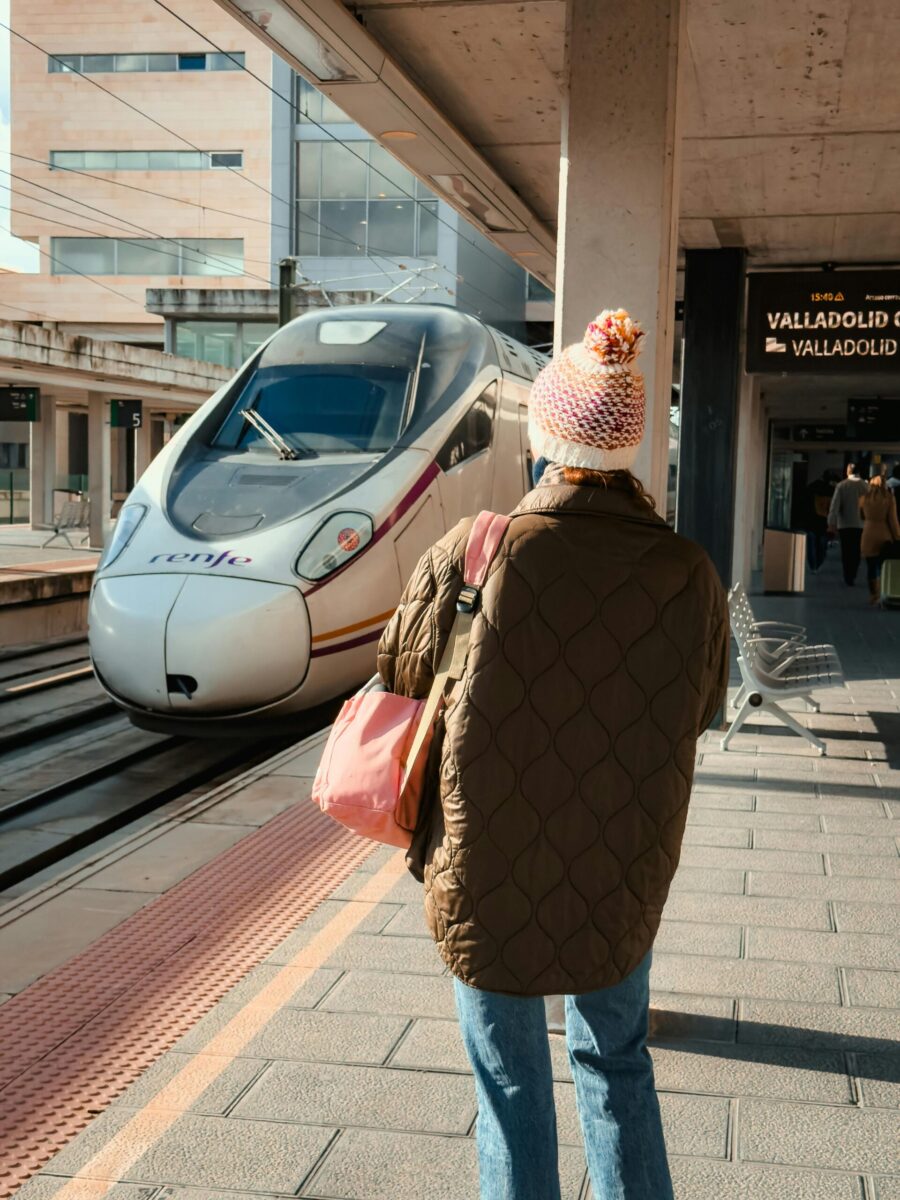
You used to think of night trains as something out of an old movie, creaking corridors, dim lamps, and a romantic idea that didn’t quite fit modern travel. Then flight prices spiked, airports became a hassle, and you started hearing something surprising: sleeper trains are back.
On the Vigo to Madrid route, that conversation is getting louder. Even though classic sleeper services have been reduced or reworked in recent years, the demand for overnight rail between Galicia and Spain’s capital is clearly rising. Travelers like you are asking a simple question: if I can sleep my way across Spain instead of wasting a day on logistics, why wouldn’t I?
This guide walks you through what’s really happening with Vigo–Madrid night trains, how current and emerging services work, why more people are choosing rail over flying or driving, and how to decide if an overnight train fits your next trip.
From Obscure Route To Overnight Revival: What Changed?
For years, Vigo–Madrid wasn’t exactly the star of Spain’s rail network. The focus was on high-speed links like Madrid–Barcelona or Madrid–Seville, while Galicia quietly sat at the edge of the map. Night trains, once common in Spain and Portugal, were steadily cut back as budget airlines expanded and AVE routes grew.
So what’s changed to put Vigo–Madrid and sleeper-style travel back on your radar?
1. The backlash against flight fatigue
You’ve probably felt it yourself. Short flights aren’t really “short” anymore once you add:
- Getting to the airport early, security, boarding, and baggage claims
A supposedly one-hour hop between Galicia and Madrid easily becomes a 5–6 hour door-to-door ordeal. And that doesn’t include delays.
As more travelers factor in this “hidden” time, night trains start to look efficient instead of old-fashioned.
2. The climate and sustainability shift
Spain, like the rest of Europe, is under pressure to cut transport emissions. Rail is the obvious winner here: per passenger-kilometer, trains produce a fraction of the CO₂ of planes or cars. That’s pushed governments and rail operators to reconsider night routes they once abandoned.
Across Europe you’re seeing new and revived overnight services, especially in Austria, France, and Germany. Spain’s not moving as fast, but the opportunities on long domestic routes like Vigo–Madrid are clear.
3. Upgraded infrastructure in Galicia
Galicia’s improved connections to the rest of Spain via upgraded standard gauge links have cut travel times and made rail more competitive. Even when you’re not on a classic sleeper with bunk beds, late-evening departures and early-morning arrivals are increasingly possible by combining long-distance trains and smarter timetables.
The result: Vigo–Madrid is shifting from an overlooked corner route to a prime candidate for overnight rail, especially as travelers demand cleaner, calmer, more productive journeys.
How Vigo–Madrid Sleeper Trains Work Today
Right now, the Vigo–Madrid route is in a kind of transition phase. Traditional Trenhotel-style sleepers with full compartments and couchettes aren’t running daily the way they used to on some Iberian routes, but night-oriented travel is very much alive.
Depending on the timetable and season, you’ll usually see a mix of:
- Long-distance trains (Alvia or Intercity) with late departures and relatively early arrivals
- Day trains you can pair with an overnight stay partway if you want a slower, scenic journey
New or restored true sleeper services are under discussion for several long Spanish routes, and Vigo–Madrid is one of the routes where demand makes sense. So when they’re running, or if you’re using evening long-distance services as de facto night trains, here’s how it typically works.
Timetables, Routes, And What To Expect On Board
On this corridor, you’re essentially crossing the whole northwest quadrant of Spain overnight or late into the evening. A typical rail itinerary will:
- Start in Vigo-Guixar or Vigo-Urzaiz
- Connect via key hubs like Ourense or Zamora, depending on the service
- End at Madrid Chamartín-Clara Campoamor, the main long-distance terminal
When there’s a night-focused service, you can expect:
- Evening departure from Vigo: usually after work hours so you can board, settle in, and have dinner before or soon after departure.
- Early-to-mid-morning arrival in central Madrid: ideal if you want to step off the train and go straight to meetings, sightseeing, or onward connections.
On board, long-distance Spanish trains are generally clean, relatively modern, and far more relaxed than a low-cost flight. You’ll find numbered seats, luggage racks, overhead storage, and climate control. On some services, you’ll have a café-bar coach: on others, vending machines or trolley services.
Cabin Types, Comfort Levels, And Onboard Services
When a true sleeper configuration is offered (or reintroduced), options commonly include:
- Reclining seats: The most basic option, similar to a long-haul bus but with more legroom. Best if you’re on a budget and can sleep sitting up.
- Cama or sleeper cabins: Enclosed compartments with flat beds, usually with a door for privacy. These might be solo, double, or sometimes family compartments.
- Turista / Turista Plus: Wider seats, more legroom, and generally a quieter environment. Not beds, but more comfortable for overnight.
Onboard services to expect:
- Restrooms in each coach
- Power outlets at or near your seat in newer rolling stock
- Wi‑Fi on many long-distance trains (coverage can vary in rural stretches)
- A cafeteria car or bar service on many medium and long-distance routes
You won’t get the white-glove Orient Express feel, but you will get a practical, comfortable way to cross Spain while you rest.
Tickets, Prices, And How To Book Effectively
For Vigo–Madrid, you’ll typically book through:
- Renfe’s official website or app
- Rail booking platforms that aggregate European trains
- Physical ticket counters at major stations
Pricing is dynamic. You’ll see cheaper fares if you:
- Book early: Advance purchase discounts can be significant compared to last-minute tickets.
- Choose flexible dates: Shifting by a day or two can dramatically change the price.
- Travel off-peak: Midweek travel is often cheaper than Fridays and Sundays.
When (or where) sleeper cabins are offered, they cost more than standard seats but may save you the cost of a hotel night in Madrid, which can actually make the trip cost-neutral overall.
If you’re set on an overnight-style trip but don’t see classic sleeper cabins available on your date, look for late-departing long-distance trains with more comfortable seating and plan to sleep as best you can en route.
Why Travelers Are Choosing The Vigo–Madrid Night Train Over Flying Or Driving
If you can fly in an hour or drive in six to seven, why bother with an overnight train from Vigo to Madrid? Once you actually map out the real-world experience, the answer becomes clearer.
Time Efficiency And The Hidden Benefits Of Traveling While You Sleep
Overnight trains do something planes and cars can’t: they merge transport time with rest time.
If you:
- Leave Vigo by train around dinner time
- Sleep a solid six or seven hours
- Arrive in Madrid in the morning
You’ve effectively “teleported” overnight. Compared with:
- Flying: Add getting to the airport, check-in, security, boarding, disembarking, baggage, and getting from Barajas into the city. That one-hour flight is suddenly a half day.
- Driving: It’s tiring, you need breaks, and you arrive feeling more drained than ready to enjoy Madrid.
On the train, you’re not just sitting: you’re off your feet, reading, listening to music, working, or sleeping. Even if you don’t sleep perfectly, you arrive with more mental energy than after a red-eye flight or long drive.
Comfort, Privacy, And The Slow Travel Experience
Night trains tap into something air travel rarely offers: a sense of continuity. You leave one city, watch landscapes slip by at dusk, and wake up in another.
You also get:
- The ability to move around: walk, stretch, visit the café.
- A more predictable routine: no sprinting through terminals or sudden gate changes.
- A quieter atmosphere, especially in sleeper cabins or upgraded classes.
If you value privacy, a sleeper cabin (when available) or a quiet coach lets you create a personal bubble, something that’s almost impossible on budget flights.
And if you’re exploring Spain slowly, the Vigo–Madrid route becomes more than just transportation. It’s part of the story of your trip: coastal Galicia in the evening, central Spain in the morning.
Cost Comparison: Sleeper Train Vs Plane, Bus, And Car
When you compare prices, you need to look beyond the ticket.
Plane
You’ll typically pay more for last-minute flights and then add:
- Bag fees, airport transfers, and in-airport spending
Door-to-door, it’s rarely as cheap as it first looks.
Bus
The bus is often the cheapest cash price option. But on a long overnight ride, comfort can be limited, tight seating, fewer chances to move, and sometimes less restful sleep. If you arrive exhausted and need a slow first day in Madrid, that “cheap” ticket has hidden costs too.
Car
Driving can be economical if you split fuel and tolls between several people, but it comes with fatigue, parking costs in Madrid, and the responsibility of the driver staying alert.
Train
A night-oriented train can look mid-range on price, but you:
- Avoid airport hassle and fees
- Potentially save a night of accommodation
- Gain time to rest, read, or work
When you add in the value of your time and energy, the Vigo–Madrid night train often lands in the sweet spot between cost, comfort, and sanity.
The Sustainability Argument: Night Trains And Greener Travel In Spain
If you care about your climate footprint, the Vigo–Madrid rail option isn’t just convenient, it’s one of the simplest ways to cut emissions on your trip.
Lower Emissions And The Climate-Conscious Traveler
Trains are significantly more efficient than planes per passenger-kilometer. Exact numbers vary, but in broad terms, a modern electric train emits only a small fraction of the CO₂ of a short-haul flight.
On a domestic Spanish route like Vigo–Madrid, that matters. You’re crossing a big chunk of the country. Choosing rail once can save as much carbon as skipping meat for weeks, or more, depending on your normal diet.
By opting for the night train when it’s available, you send a signal to operators that there’s real demand for low-carbon travel that doesn’t punish you with discomfort. Every ticket you buy for rail, and every flight you don’t take, nudges the system in the right direction.
Supporting Regional Economies And Rail Infrastructure
When you ride trains instead of flying, your money stays more rooted in the regions you’re passing through.
- Stations anchor local neighborhoods and businesses.
- Rail investment improves mobility for residents, not just tourists.
- Smaller cities and towns along the Vigo–Madrid corridor benefit when long-distance trains actually stop there.
Sustained demand makes it easier to justify better tracks, more frequent services, and potentially the return of fully equipped night trains with dedicated sleeper cars. In other words, the choices you make now help shape how easy it’ll be to travel sustainably in Spain five or ten years from now.
Practical Tips For A Smooth Vigo–Madrid Night Train Journey
You don’t need to over-engineer this trip, but a bit of planning makes your Vigo–Madrid overnight run far more enjoyable.
Choosing The Right Sleeper Option For Your Trip
First, decide what you actually need from the journey:
- You care most about price: Look for standard or Turista seats on the latest-departing long-distance train. Bring a travel pillow and treat it like a red-eye.
- You want real rest: If proper sleeper cabins are on offer for your date, it’s worth paying extra. A flat bed and door you can close provide a drastically better night.
- You need to work or arrive sharp: Prioritize comfort and quiet, upgraded seating or a private compartment.
Check the exact train type and configuration when you book. Renfe and third-party platforms usually show seat maps or at least indicate whether it’s a basic seat, a reclining seat, or a true sleeper.
What To Pack And How To Sleep Better On Board
Even if you’re not a natural train-sleeper, a few items go a long way:
- A light layer or scarf (air conditioning can be cool at night)
- Earplugs and an eye mask (you’ll thank yourself when someone opens the compartment door or a light comes on)
- A small travel pillow or neck pillow
- A refillable water bottle and a light snack
Wear comfortable clothes you can sleep in, and keep your essentials (phone, wallet, passport/ID) within arm’s reach so you’re not worrying about them.
To fall asleep faster:
- Eat a normal dinner before or soon after boarding, not a heavy feast.
- Keep screens dim and consider an audiobook, podcast, or mellow playlist.
- Set a gentle alarm, especially if your stop isn’t the final station.
Staying Safe, Connected, And Organized En Route
Spanish long-distance trains are generally safe, but the same common-sense rules apply as anywhere:
- Keep valuables in a money belt, inner pocket, or small bag that stays with you.
- Use your bag as a footrest or pillow so you feel movement if someone touches it.
- Don’t leave phones and laptops unattended in shared spaces.
For connectivity, download offline maps, tickets, and entertainment in case coverage drops in rural areas. Renfe’s app or your booking confirmation email usually includes a QR code that’s enough for inspection, no need to print unless it reassures you.
Finally, jot down or screenshot:
- Your coach and seat/cabin number
- The scheduled arrival time
- How you’ll get from Madrid Chamartín to your hotel or next stop (Cercanías commuter trains and metro make this easy)
Being organized on arrival means you step off the train and glide straight into your Madrid day instead of fumbling for directions.
Who The Vigo–Madrid Sleeper Train Is Best For
An overnight or late-evening train between Vigo and Madrid isn’t just for train geeks. It suits specific types of trips and travelers particularly well.
Solo Travelers And Digital Nomads
If you’re traveling alone, the night train gives you something planes and buses don’t: freedom with structure.
You board, stash your backpack, and you’ve got hours to read, code, sort photos, or simply stare out the window. You’re not locked into airplane mode, and you don’t have to focus on driving.
Digital nomads especially benefit from the ability to turn part of the journey into a mobile office, then sleep, then arrive ready to plug into coworking spaces in Madrid.
Couples, Families, And Small Groups
For couples, a private sleeper cabin (when available) feels like a compact hotel room on rails. You can talk, read, share snacks, and fall asleep without dealing with seat neighbors.
Families often find trains less stressful than airports. Kids can move around, visit the café, and watch landscapes instead of being strapped into a narrow plane seat. If you’re traveling with children, check for family fares or promotions, they can bring the cost closer to a standard hotel + train combo.
Small groups of friends can book seats together or share a compartment, turning the Vigo–Madrid night run into a relaxed prelude to a weekend in the capital.
Business Travelers And Weekend Getaways
If you’re heading to Madrid for work, an overnight or late-evening train can let you:
- Work a normal day in Vigo
- Board, have dinner, prepare or review documents
- Sleep, then step into Madrid ready for a morning meeting
For weekend getaways, the timing works in reverse: leave Madrid after work on Friday (or Vigo, if you’re based in Galicia), wake up somewhere completely different, and stretch your short break without sacrificing a full day to travel.
Conclusion
The comeback of night trains isn’t just nostalgia, it’s the result of travelers like you redoing the math on time, comfort, cost, and carbon.
On the Vigo to Madrid route, that shift is especially visible. As Spain upgrades its rail network and rethinks long-distance services, overnight and night-oriented trains are becoming a smart alternative to crowded airports and draining highway drives.
If you’re planning this journey, ask yourself what you value most: a rock-bottom price, a real night’s sleep, low emissions, or simply the feeling of gliding across Spain while the rest of the country sleeps. There’s a version of the Vigo–Madrid night train that fits each of those priorities.
Next time you’re weighing up a flight or a long drive, consider boarding in Vigo after sunset and letting the rails carry you to Madrid by morning. You might find that the “old-fashioned” way to travel feels surprisingly modern.
No responses yet