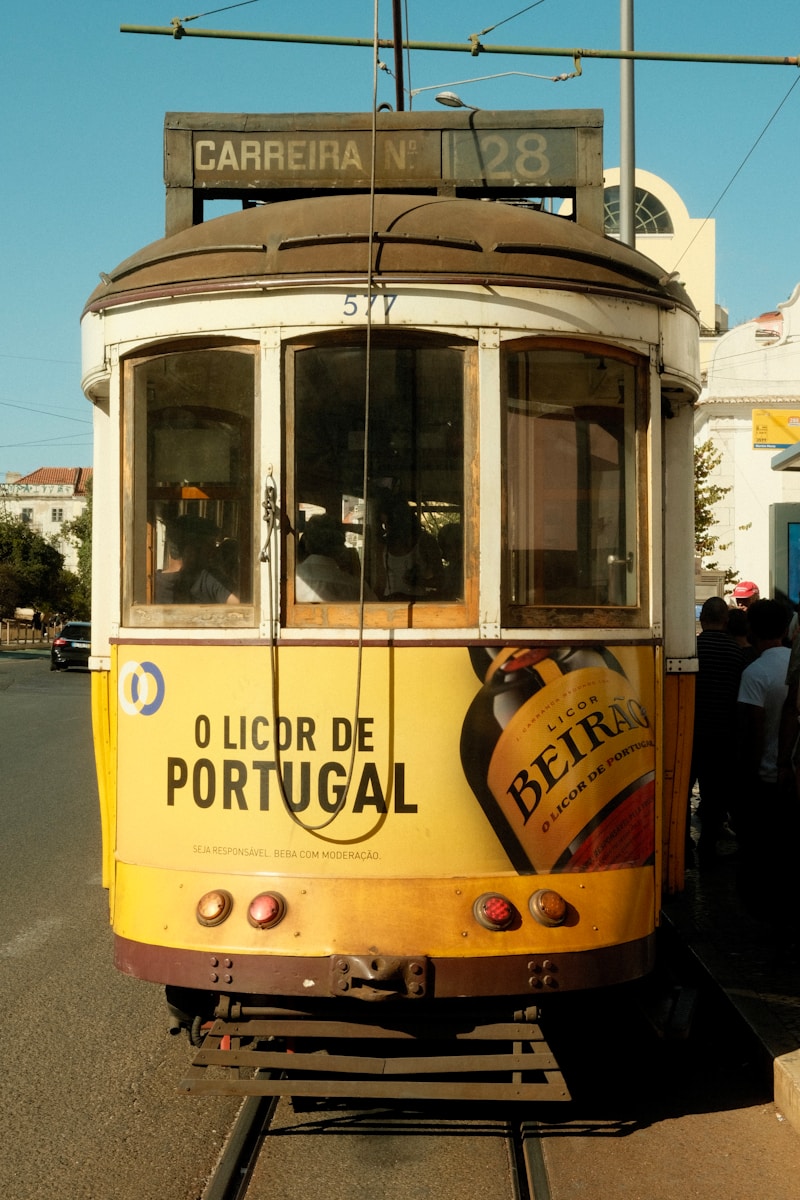
You don’t need a rental car to see the best of northern Portugal. In fact, if you’re happy to sit back and let someone else handle the driving, buses give you front-row seats to river valleys, terraced vineyards, and medieval towns, often for the price of a coffee and a pastry.
Northern Portugal is compact, well-connected, and surprisingly scenic from a bus window. The routes in and out of Porto, Braga, Guimarães, and the mountains of Peneda‑Gerês are especially rewarding if you love watching landscapes slowly change as you travel.
Below, you’ll find five of the best scenic bus routes in northern Portugal you shouldn’t miss, plus practical tips so you can actually enjoy the views instead of stressing about logistics.
Why Explore Northern Portugal By Bus
Why Explore Northern Portugal By Bus
If you’re used to relying on trains or renting a car, it’s easy to overlook buses. In northern Portugal, that would be a mistake.
First, the bus network goes where trains often don’t. Mountain villages, national parks, and some coastal towns are far better served by regional buses than by rail. That means you can reach places like Gerês or the hills above the Lima River without worrying about twisting mountain roads or parking.
Second, buses often follow older roads that hug rivers, cut through small towns, and climb through valleys. Those routes can be slower than highways, but they’re much more scenic. Instead of watching tunnels and concrete barriers flash by, you see terraced fields, granite villages, and church towers on the skyline.
You also keep your trip flexible. Tickets are usually affordable, and you can combine several short scenic bus journeys with time on foot, local trains, or even river cruises in the Douro. For you, that means more variety and less time locked into one rigid itinerary.
Finally, taking the bus lets you travel like locals do. You’ll share the ride with students, commuters, and families heading to the next town over, not just other tourists. It’s an easy way to feel the everyday rhythm of northern Portugal while still enjoying postcard views out the window.
Route 1: Porto To Braga – Cityscapes, Valleys, And Historic Minho
Route 1: Porto To Braga – Cityscapes, Valleys, And Historic Minho
The Porto to Braga bus is one of the most useful and scenic short hops you can take. In just over an hour, you leave Portugal’s biggest northern city behind, pass gentle valleys and small towns, and roll into one of the country’s most historic cities.
Highlights Along The Porto–Braga Route
You’ll start near the Douro in Porto, usually from Campo 24 de Agosto or Casa da Música, depending on the operator. The bus quickly heads north, crossing suburban areas before the landscape opens up into the green Minho region.
Look out for:
- Green valleys and small farms: As you approach Braga, you’ll see vineyards, vegetable plots, and clusters of stone houses, classic Minho countryside.
- Church spires and hilltop sanctuaries: Even before you arrive, Braga’s religious heritage makes an appearance. On clear days, you may glimpse hilltop shrines outside the city.
Braga itself is worth at least a full day. The city center is walkable, full of baroque churches, lively squares, and cafés that spill onto pedestrian streets.
Suggested Stops And Short Detours
If you want to turn this into more than a straight transfer, you have a couple of options:
- Stay overnight in Braga and visit the Sanctuary of Bom Jesus do Monte, with its grand staircase and sweeping views. Buses and local taxis can get you from the center to the sanctuary.
- Continue on to Guimarães by bus or regional train for an easy two-city Minho itinerary. The link between Braga and Guimarães is short, so you can base yourself in one and day-trip to the other.
If you’re into quieter towns, consider getting off in Vila Verde or another small stop near Braga and exploring on foot for an hour or two before carrying on.
Practical Details For The Porto–Braga Bus
Multiple bus companies run this route, with frequent departures throughout the day. Travel time is usually around 1 hour to 1 hour 15 minutes, depending on traffic and the specific service.
You’ll want to:
- Check schedules in advance, especially on Sundays and public holidays.
- Sit on the side opposite the driver on most coaches for slightly better countryside views as you head north.
If you’re arriving in Porto by plane, there are also direct services from Porto Airport to Braga, which can save you an extra change in the city center.
Route 2: Porto To Guimarães – Castles, Medieval Streets, And Rolling Hills
Route 2: Porto To Guimarães – Castles, Medieval Streets, And Rolling Hills
Guimarães is often called the birthplace of Portugal, and the bus ride there feels like a gentle transition from big city to medieval town. It’s not a long journey, but it combines suburban landscapes, low hills, and a clear payoff at the end: one of the most atmospheric historic centers in the country.
Scenery And Sights On The Porto–Guimarães Route
Leaving Porto, you’ll pass through the urban belt that connects Porto with its northern neighbors. Gradually, the scenery softens, industrial zones give way to green patches, low hills, and small villages.
Compared with the Braga route, this road has a slightly more rolling feel. You’ll see:
- Hilltops dotted with white houses and red-tiled roofs.
- Fields segmented by stone walls and hedges.
- Occasional glimpses of church towers and small industrial towns that are part of the region’s textile history.
The real reward, though, is your arrival in Guimarães. The UNESCO-listed old town, with its granite houses, arcaded squares, and overhanging balconies, is best explored on foot.
How To Plan Your Time In Guimarães
To make the most of the trip, aim to arrive in the morning and leave in the evening, or stay overnight if you can.
Don’t miss:
- Guimarães Castle and the Palace of the Dukes of Braganza, both a short uphill walk from the historic center.
- Wandering the lanes around Largo da Oliveira and Praça de Santiago, where you’ll find cafés perfect for a long coffee break.
If you have extra time, ride the cable car up Monte da Penha for panoramic views over the region. It’s a great way to appreciate the rolling hills you just crossed by bus.
Buses from Porto to Guimarães are frequent, with a journey time of around an hour. They usually depart from central bus terminals in Porto, so you can easily combine this route with others on your trip.
Route 3: Porto To Vila Real And The Douro Gateway
Route 3: Porto To Vila Real And The Douro Gateway
If you’re curious about the Douro Valley but don’t want to go straight into deep vineyard country, the bus from Porto to Vila Real is a great middle step. It’s longer than the Minho routes and feels more like a proper journey: plains gradually rise into hills, and the horizon gets more dramatic as you go.
Best Views On The Porto–Vila Real Journey
Leaving Porto, you’ll soon cross the Douro River and head inland. The road rises steadily, and the scenery shifts from coastal plains to higher, drier hills.
On clear days, you’ll enjoy:
- Wide panoramas over valleys carved by tributaries of the Douro.
- Terraced slopes, especially as you get closer to Vila Real and the wider Douro region.
- Patches of forest and small stone villages perched on hillsides.
The final stretch into Vila Real is especially attractive, with the city sitting on a plateau above deep valleys. From certain vantage points, you can see the surrounding mountains that edge the Douro wine region.
Connecting From Vila Real Into The Douro Valley
Vila Real itself is worth a short stop, especially for Mateus Palace, famous for its baroque architecture and formal gardens. But for many travelers, it’s the gateway to deeper Douro exploration.
From Vila Real, you can:
- Continue by bus toward Peso da Régua or Pinhão, both classic Douro river towns surrounded by vineyards.
- Join a Douro river cruise or wine tour that departs from Régua or Pinhão.
Because services deeper into the valley can be less frequent than the main Porto–Vila Real route, check connections in advance and allow some buffer time. If you time it right, you can enjoy a dramatic afternoon bus ride into the heart of the Douro, with valley walls rising steeply on either side as you approach the river.
Route 4: Porto To Viana Do Castelo – Atlantic Coast And Mountain Backdrop
Route 4: Porto To Viana Do Castelo – Atlantic Coast And Mountain Backdrop
The bus from Porto to Viana do Castelo is one of northern Portugal’s most underrated scenic routes. It tracks the general line of the coast but often stays just inland, giving you glimpses of both the Atlantic and the green hills that frame the Minho region.
What You’ll See On The Porto–Viana Do Castelo Route
Soon after leaving Porto, you’ll pass Matosinhos and the northern suburbs, then the scenery turns more rural. Expect a mix of pine forests, small agricultural plots, and low-rise towns.
The closer you get to Viana do Castelo, the more photogenic it becomes:
- The Lima River estuary appears, often dotted with small boats.
- On clear days, you can see the Santa Luzia hill rising behind the city, crowned by the Sanctuary of Santa Luzia.
The city itself is lovely, with a historic center of narrow streets and squares, and a strong maritime feel. From the riverside, you’ll see the long bridge designed by Eiffel’s workshop, and beyond it, dunes and Atlantic surf.
Combining Coast, River, And Hills In One Trip
Viana do Castelo is ideal if you want a bit of everything in a single day or overnight trip:
- Walk along the riverfront and out toward the coast for Atlantic views.
- Take the funicular up to Santa Luzia for a sweeping panorama over the city, river, and ocean.
- Head inland by short local bus or taxi to reach quiet villages and green hills.
Because Viana is also connected by train, you can arrive by bus for the scenic inland views and return by coastal train for a different perspective, or the other way around. That kind of loop keeps your trip interesting without adding much planning complexity.
Route 5: Braga To Gerês – Into Peneda-Gerês National Park
Route 5: Braga To Gerês – Into Peneda-Gerês National Park
If you only choose one truly “wild” scenic bus route in northern Portugal, make it Braga to Gerês. This is your gateway into Peneda‑Gerês National Park, the country’s only national park and a landscape of granite peaks, forests, and traditional villages.
Mountain Landscapes And Village Life On The Braga–Gerês Route
You’ll leave urban Braga and quickly transition into more rural territory. The bus winds through valleys and climbs steadily, often following river courses.
Along the way, you’ll see:
- Terraced fields and patches of woodland.
- Small villages with stone houses and narrow streets.
- Mountain ridges appearing and disappearing as the road bends.
The final approach into Gerês (Vila do Gerês) is particularly beautiful, with forested slopes and hints of the reservoirs and rivers that make the area so striking.
Hiking, Hot Springs, And Activities In Gerês
Once you arrive, you’ve got options, even if you don’t have a car:
- Hiking: Well-marked trails start near Gerês village, from short viewpoints walks to longer day hikes into the park’s interior.
- Hot springs: Gerês is known for its thermal baths, ideal if you’d rather soak than climb.
- Village exploration: Local buses and taxis can connect you to nearby villages and viewpoints if you want to see more without driving.
Because services between Braga and Gerês aren’t as frequent as those on main intercity routes, you should check bus times carefully and consider staying at least one night. That way you’re not rushed and can enjoy both the journey and the park itself.
How To Choose The Best Scenic Route For Your Trip
How To Choose The Best Scenic Route For Your Trip
You probably don’t have time to ride every scenic bus in northern Portugal, so it helps to match routes to your interests and schedule.
Here’s a quick way to decide:
- Limited time, based in Porto: Pick Porto–Guimarães or Porto–Braga for easy day trips with plenty of history and straightforward logistics.
- Interested in wine and river landscapes: Choose Porto–Vila Real, then connect into the Douro Valley if you can.
- Love coastal towns and sea views: Go for Porto–Viana do Castelo and add a ride up to Santa Luzia.
- Want mountains and nature: Prioritize Braga–Gerês and plan to stay overnight.
If you’re planning a longer trip, you can even link several of these routes: start in Porto, day-trip to Guimarães, move on to Braga, then head up to Gerês before looping back via Viana do Castelo or the Douro. Buses and regional trains make those connections entirely doable without a car.
Essential Tips For Taking Scenic Buses In Northern Portugal
Essential Tips For Taking Scenic Buses In Northern Portugal
A bit of planning goes a long way toward making your scenic bus rides smooth and enjoyable.
- Check schedules in advance: Timetables can change between weekdays, Saturdays, and Sundays, and some rural services run only a few times a day. Look up routes on official company sites or at local bus stations.
- Buy tickets ahead for popular routes: On busy days, especially in summer or around holidays, advance tickets can save you from standing in line or missing your preferred departure.
- Arrive early: In some stations, platforms aren’t always obvious, and buses may start boarding a while before departure.
- Choose your seat for the view: If you’re heading north from Porto, the side opposite the driver often has better open countryside views. On winding mountain routes, aim for a seat closer to the front if you get motion sickness.
- Travel light: Narrow aisles and limited luggage compartments are easier to navigate if you keep bags manageable.
- Have some cash: While more and more services accept cards, a few local buses still take cash only, especially in smaller towns.
- Watch for your stop: Not all stops are announced clearly in English. Keep an offline map handy and track where you are so you can press the stop button in time.
Most importantly, build a bit of flexibility into your plans. Part of the joy of these routes is being able to hop off somewhere that catches your eye, wander for a while, and catch a later bus.
Conclusion
Conclusion
Northern Portugal is made for bus travel. The distances are short, the scenery changes quickly, and many of the most rewarding places, medieval towns, coastal cities, mountain villages, are stitched together by reliable coach and regional bus lines.
If you choose even one or two of these scenic bus routes, Porto–Braga, Porto–Guimarães, Porto–Vila Real, Porto–Viana do Castelo, or Braga–Gerês, you’ll see a side of the region you’d miss speeding along a highway. You’ll watch daily life unfold at each stop, feel the landscape shift under the wheels, and reach your destination rested instead of stressed.
Plan your routes, check the schedules, then let the bus do the work while you sit back and enjoy northern Portugal through the window.
No responses yet