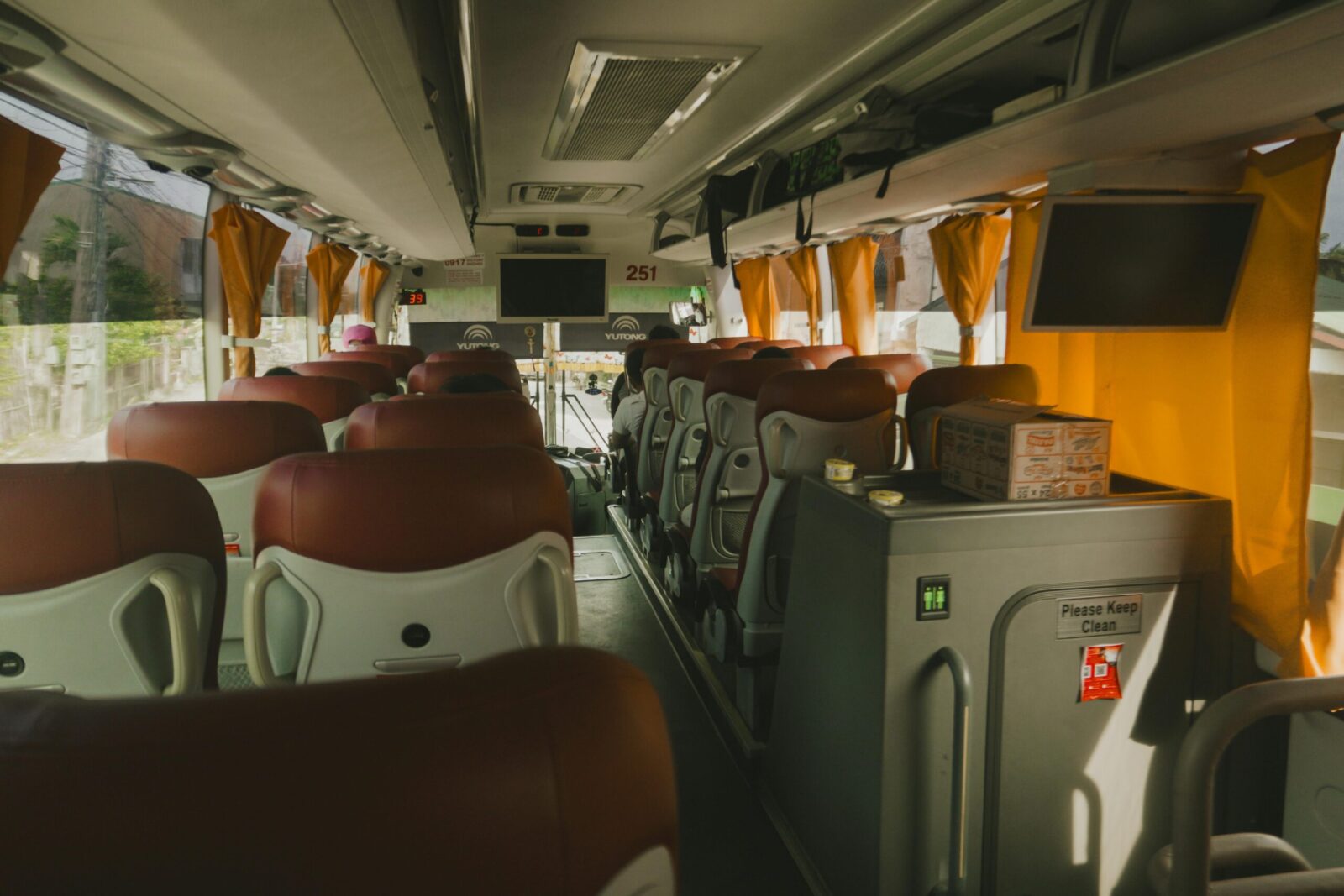
If you’re planning to criss‑cross Spain by road, you’ll almost certainly run into two names over and over: Alsa and FlixBus. Both promise cheap fares, long-distance routes, and modern coaches, but they don’t actually work in the same way – and one can be a much better fit for you depending on your plans.
You don’t want to spend eight hours on the wrong bus just to save a couple of euros. So in this guide, you’ll see how Alsa and FlixBus compare in Spain for network coverage, journey times, prices, comfort, and customer support – and you’ll get clear pointers on which one to book for your trip.
Overview Of Alsa And FlixBus In Spain
Alsa is Spain’s long‑established bus giant. It’s been operating for decades, runs many of the country’s regulated long‑distance and regional concessions, and is often the default option Spaniards think of when they say “coger un autobús” for an intercity trip.
FlixBus, by contrast, is a newer player in Spain. It’s a German brand that has expanded fast across Europe with a low‑cost, mostly cross‑border model. In Spain, it often works through local partner operators and focuses heavily on international routes (Spain–France, Spain–Portugal, Spain–Germany, etc.) plus some domestic services on key corridors.
What that means for you in practice:
- Alsa feels more like the “national bus network” for Spain, especially for medium and long distances between Spanish cities and towns.
- FlixBus feels more like a budget, pan‑European network that happens to serve Spain quite well on specific routes.
If you’re doing a classic Spain itinerary (Madrid–Granada–Seville–Valencia–Barcelona, or hopping around the north or northwest), you’ll see more Alsa options. If your plan mixes Spain with France or Portugal, or you’re hunting ultra‑cheap tickets on a busy international corridor, FlixBus will show up strongly.
Network Coverage And Routes Across Spain
When you’re judging Alsa vs. FlixBus for long‑distance Spanish travel, coverage is the first big filter. It doesn’t matter how comfy or cheap a coach is if it simply doesn’t go where you need.
Alsa’s coverage inside Spain
Alsa has one of the densest coach networks in the country. You’ll find it on:
- Major intercity corridors: Madrid–Barcelona, Madrid–Valencia, Madrid–Andalusia, Barcelona–Valencia, Bilbao–Madrid, etc.
- Many secondary routes that trains don’t cover well, especially in inland regions and in the north (Asturias, Cantabria, Galicia, León, La Rioja).
- Connections to smaller cities and provincial capitals where FlixBus may not appear at all.
You’ll often have multiple Alsa departures a day even on medium‑sized routes, and in many rural areas Alsa (or an Alsa‑brand partner) is simply the only realistic coach option.
FlixBus’s coverage in Spain
FlixBus is strong where there’s high demand from international travelers and students. Think:
- Spain–France routes through Catalonia and the Basque Country.
- Spain–Portugal links (for example, Madrid–Lisbon, Seville–Lisbon, or Barcelona–Porto on some timetables).
- Coastal and high‑tourism routes that are easy to combine with neighboring countries.
Domestically, FlixBus is more selective. You’ll see it on some big internal routes like Barcelona–Valencia or Barcelona–Madrid at certain times of year, but it’s nowhere near as omnipresent as Alsa once you start looking at mid‑sized cities and cross‑country connections.
So, who wins on coverage?
If your trip is mostly inside Spain and especially if you’re visiting smaller or inland destinations, Alsa clearly wins. You’re more likely to find a direct route, and you’ll often have a choice of departure times.
If your trip is Spain plus another country, or you’re traveling between big, tourist‑heavy cities, FlixBus can compete – but it’s still more limited than Alsa once you leave the classic tourist corridors.
Schedules, Journey Times, And Reliability
You care about when the bus leaves, how long it actually takes, and whether it turns up anywhere near on time. Here’s how Alsa and FlixBus stack up.
Schedules and frequency
Alsa tends to offer more frequent departures on domestic Spanish routes. On busy corridors you might be able to choose between early morning, midday, and late‑evening coaches, and in some cases even hourly services in peak periods.
FlixBus usually has fewer daily departures on the same route, especially if it’s not one of their star international lines. For some city pairs you might see just one or two options per day. That can be fine if you’re flexible, but it’s less forgiving if you like to build tight, optimized itineraries.
Journey times
Journey times depend more on route choice (direct vs. stopping service) and road conditions than on the brand. Still, there are some patterns:
- Alsa often runs both direct and semi‑direct services. Be careful: the cheapest ticket isn’t always the fastest.
- FlixBus tends to favor longer‑haul routes that may stop in several cities along the way, especially international ones, which can add hours.
If both offer a direct coach between the same two cities, journey times are usually similar. In many parts of Spain, the main alternative is actually the train rather than a different bus brand, so it’s worth comparing rail options if time matters more than money.
Reliability and punctuality
Neither company is immune to Spanish highway traffic, holiday congestion, or random incidents – and both sometimes get slammed in reviews when one packed summer bus shows up late.
That said, Alsa’s long history and deep integration with Spanish transport infrastructureusually translate to solid reliability. Departure times are generally respected, and you’ll often see bus‑station staff who are used to handling Alsa passengers all day long.
FlixBus reliability in Spain can feel a bit more variable, largely because you’re often dealing with partner operators and cross‑border routes. A Madrid–Lisbon night bus that started its day in France has more chance of drifting off schedule.
For most trips, you’ll get where you’re going with either company. But if you’re catching a flight, a cruise, or a non‑flexible connection at the other end, Alsa’s more domestically focused schedules feel safer.
Pricing, Fees, And How To Get The Best Deals
Both Alsa and FlixBus use dynamic pricing. You’re not paying for a fixed “Madrid–Granada = €X”: you’re paying for a seat on a specific departure with supply and demand baked in.
How Alsa prices usually work
Alsa often has several fare types on a single journey:
- Basic, sometimes non‑refundable, but cheaper.
- Semi‑flexible or flexible, which let you change or cancel for a fee or for free.
- Promo fares on less popular times or bought well in advance.
Prices on popular routes can be very low if you book early, especially outside peak holiday dates. Within Spain, you’ll frequently find Alsa cheaper than the equivalent train, but not always as rock‑bottom as a FlixBus flash sale.
How FlixBus prices usually work
FlixBus positions itself as aggressively low‑cost. It’s famous for very cheap advance tickets on busy lines – sometimes under €10 for long hops if you’re quick and flexible.
But, as departure approaches and seats fill, FlixBus prices can rise a lot. On some routes it ends up similar to Alsa, especially when you factor in any extras.
Extras and fees
Neither company is completely “all inclusive” in the strict low‑cost sense, but both are transparent about basic inclusions.
- A standard suitcase and small cabin bag are usually included in your ticket with both Alsa and FlixBus on Spanish routes.
- You may pay extra for additional bags, sports equipment, or last‑minute changes.
FlixBus sometimes charges separately for seat selection. Alsa may have tiered seating (for example, premium rows or extra‑legroom seats) at a higher fare.
How to get the best price
You’ll generally get better deals if you:
- Book early, especially for weekends, holidays, and popular tourist seasons.
- Avoid peak times (Friday afternoons, Sunday evenings, and major holiday changeover days).
- Compare a couple of departures on the same day: a bus one hour earlier or later can be noticeably cheaper.
For rock‑bottom budget travel between big cities or across borders, FlixBus often wins. For consistent, reasonable prices across a wider range of Spanish routes, Alsa comes out ahead.
Onboard Experience And Comfort For Long Distances
A six‑to‑ten‑hour coach ride can either be surprisingly okay or absolutely miserable. Small differences in layout and amenities make a big difference when you’re stuck in the same seat all afternoon.
Seats and space
Both Alsa and FlixBus typically use modern coaches with reclining seats and footrests on long‑distance services. Legroom can vary slightly by model and operator, but in general:
- On core long‑distance Spanish routes, Alsa’s long‑haul coaches feel solid and comfortable. Some services even offer premium classes (like Alsa Supra or Premium) with wider seats, extra legroom, snacks, and quieter cabins.
- FlixBus works with multiple local operators, so the experience can be a bit more mixed. Many buses are very comfortable and comparable to Alsa’s standard long‑distance vehicles, but you don’t always know exactly which coach you’ll get.
If you’re tall or fussy about space and you see an Alsa premium option at a small surcharge, it’s often worth it for overnight or very long legs.
Wi‑Fi, power, and entertainment
On most long‑distance routes in Spain today, you can expect:
- Onboard Wi‑Fi (though speeds can vary, and you shouldn’t rely on it for video calls).
- Individual or shared power outlets or USB ports.
- Air conditioning (sometimes a bit too enthusiastic – keep a sweater handy).
Alsa often has an onboard entertainment portal on some routes, with movies and series you can stream on your device. FlixBus doesn’t consistently offer that in Spain, though it does on some international lines.
Rest stops, toilets, and overall comfort
Both companies have onboard toilets on long‑distance coaches. The driver will also schedule rest stops on longer journeys so you can stretch, get fresh air, and buy food or coffee.
In terms of ride quality – noise, suspension, general feel – there’s no dramatic winner. It depends more on road conditions and specific coach models. But Alsa’s premium services are noticeably more comfortable, and that gives Alsa a slight edge overall for very long Spanish routes.
Tickets, Booking Experience, And Customer Support
The less time you spend wrestling with apps and tickets, the better. Here’s how it feels to actually book and, if needed, get help.
Booking and tickets
Both Alsa and FlixBus let you book via website or app, and both support mobile tickets.
- Alsa: The website and app are available in English and generally straightforward. You can choose fare type, seat (on many routes), and see baggage rules clearly. Mobile tickets are widely accepted: you just show the QR code.
- FlixBus: The app is simple and optimized for fast budget bookings. You pick your route, optionally pay for a specific seat, and receive a mobile QR ticket. It’s very quick once you’ve used it a couple of times.
In Spain, Alsa has the advantage that station staff are used to dealing with its system. If something’s unclear at the terminal, there’s usually a desk or at least signage for Alsa passengers. FlixBus sometimes operates from less obvious bays or curbside stops, particularly on international routes, so you’ll want to double‑check your departure point.
Changes, cancellations, and support
Policies change over time, but generally:
- With Alsa, your options depend heavily on the fare type you bought. Flexible tickets are easier to change or cancel: promo fares are more restrictive. You can often manage changes online or through the app.
- With FlixBus, you usually get the option to cancel or change for a fee up to a certain time before departure, receiving a voucher in return for cancellations.
When something goes wrong (delays, cancellations, missed connections), Alsa’s customer support in Spain is more embedded in the local system: phone lines, station staff, and Spanish‑language help are more developed. English support exists, but responses can be slower at very busy times.
FlixBus centralizes a lot of support through its app, website, and email. That’s convenient if you’re used to doing everything from your phone, but less reassuring if you’re standing in a station in a smaller Spanish city trying to find a human being to talk to.
If you value on‑the‑ground, Spanish‑based support, Alsa feels safer. If you’re comfortable with app‑only interactions and automated help centers, FlixBus is fine.
Which Coach Service Should You Choose For Spanish Long-Distance Travel?
To decide between Alsa and FlixBus for long‑distance Spanish travel, you don’t need a complicated scoring system. You just need to match each brand to the kind of trip you’re actually taking.
Choose Alsa if…
You’re primarily traveling within Spain, especially beyond the most obvious city‑to‑city routes. Alsa gives you:
- Far wider domestic coverage, including smaller cities and inland regions.
- More departures and generally better‑timed schedules for Spanish travelers.
- Extra‑comfort options (Supra, Premium) that make long hauls much easier.
- Stronger local presence in stations and more robust Spanish‑based support.
For a Madrid–Granada–Seville–Cádiz loop, or a deep‑jump into northern Spain, Alsa will almost always be your main workhorse.
Choose FlixBus if…
You’re chasing the lowest possible fare between big hubs or you’re piecing together a multi‑country itinerary. FlixBus is especially attractive when:
- You’re traveling between major tourist cities in high season and can book well in advance.
- You’re combining Spain with France or Portugal on a tight budget.
- You’re comfortable with app‑driven bookings and fewer on‑the‑ground staff.
If you snag a €9–€15 FlixBus ticket on an international route that would cost double with other options, that’s a clear win.
The bottom line
For most long‑distance Spanish travel, you’ll get a more reliable, better‑integrated experience with Alsa. It’s the safer default if you’re unsure, if your plans include smaller places, or if you care about onboard comfort on very long rides.
FlixBus is the specialist tool you reach for when price is king and your route fits its network well. So your best move is to check both for your specific dates and cities – but unless a FlixBus deal is too good to ignore, you’ll probably find Alsa the better all‑round coach service for exploring Spain by road.
No responses yet